Cambridge University Botanic Garden
We've been visiting Cambridge University Botanic Garden for over 20 years, and it remains one of our favourite places. Join us for a lovely autumn walk through these beautiful historic gardens, with their remarkable trees, fascinating plant collections and connections to Charles Darwin.
Cambridge, CB2 1JE
Our visit
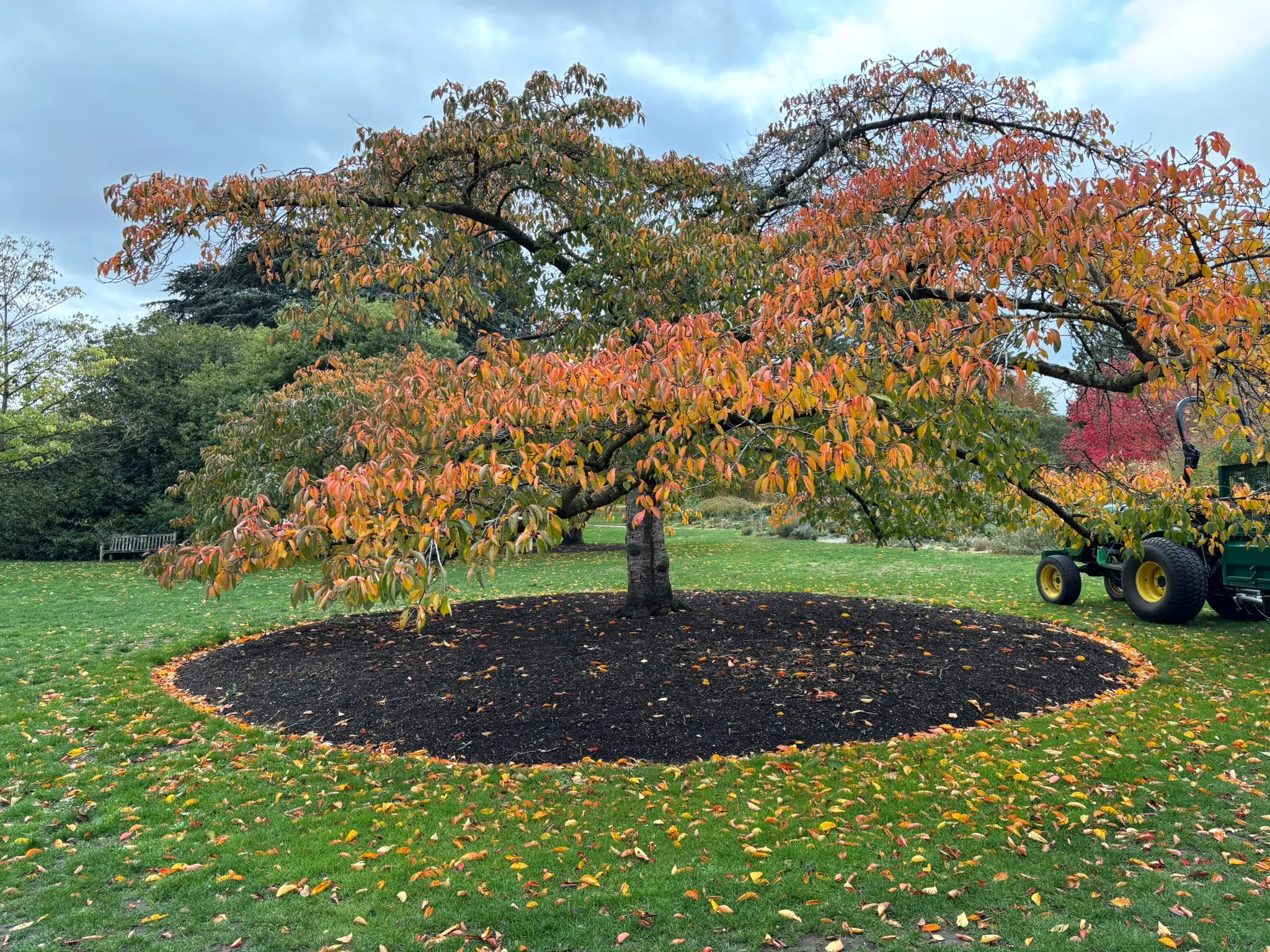
Today we visited Cambridge University Botanic Garden. We’ve been regular visitors for at least 20 years, if not nearer to 25. We try to visit each season but, as you can see from our blog, we've been very busy and it was only our second time this year, a lovely autumn day, absolutely ideal for browsing these beautiful gardens.
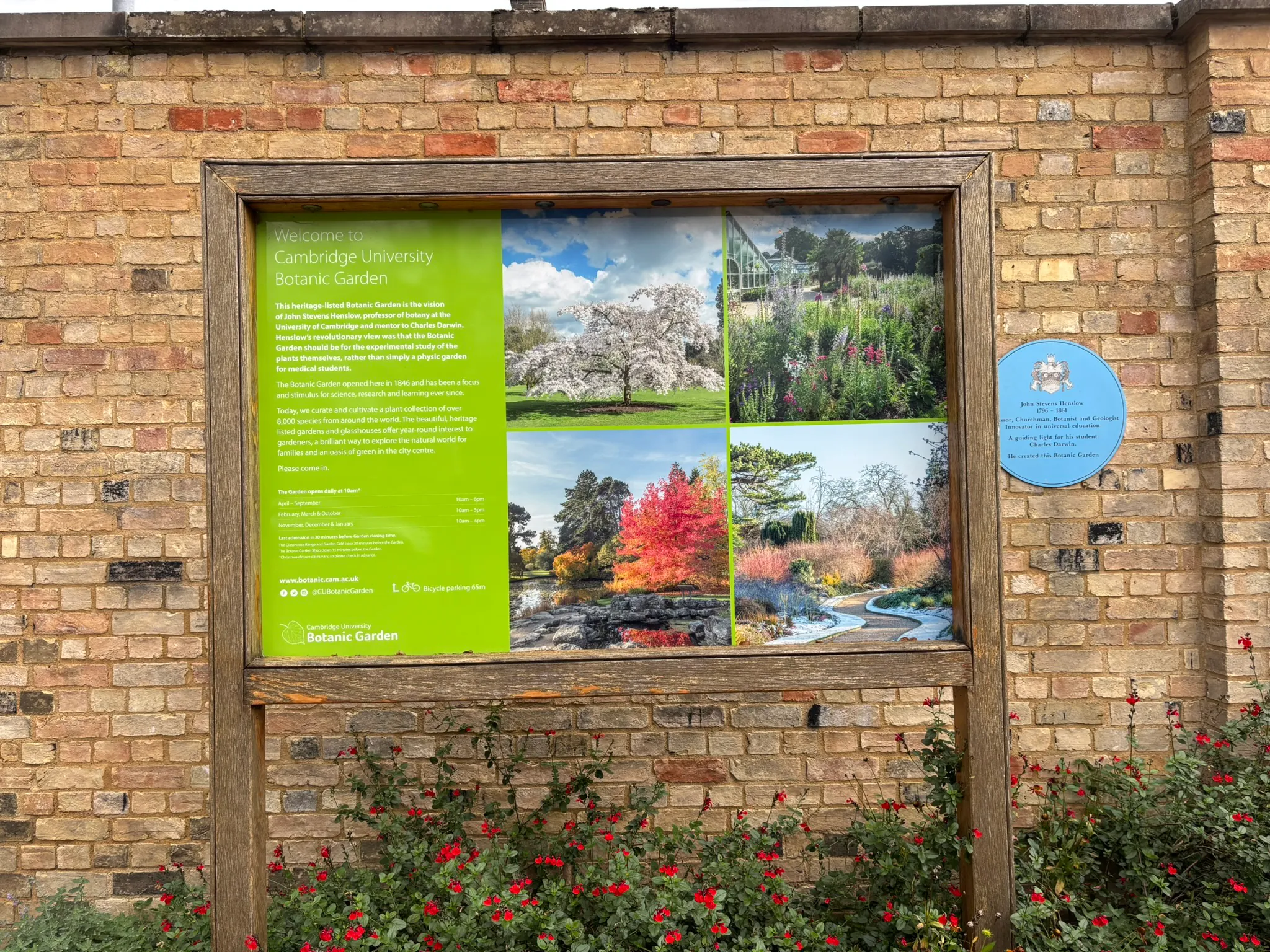
The original Cambridge University Botanic Garden was founded in 1762, in the centre of the city, specifically to grow plants for medicinal purposes for the teaching of medicine at the University.
In 1825, John Henslow became Chair of Botany. He persuaded the University to move the Garden into larger premises, about a mile south of the centre of the city, to respond to the upsurge of natural science studies, believing that it should be for the study of plants themselves, rather than just medicine. The site was acquired in 1831 but because of various delays, legal wrangles, etc, planting only began in 1846.
The first Garden Curator was Andrew Murray who worked closely with Henslow. His original plan, the Grade II heritage landscape that we see today, is easily identifiable as the paths in his Garden deliberately differ from the later extensions.
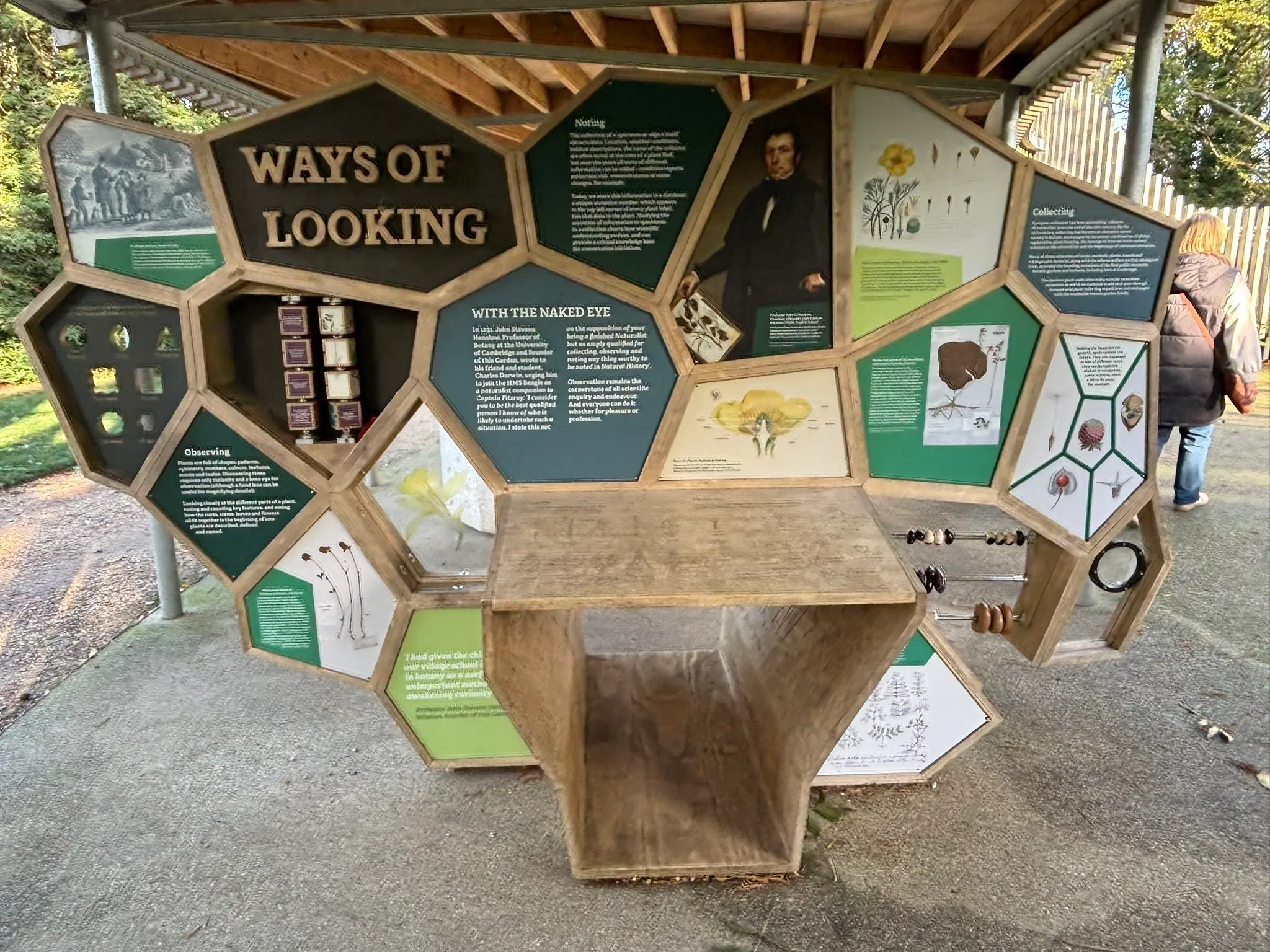
Henslow's plans included an impressive collection of trees, but his influence would eventually extend far beyond the garden itself. His ideas about variation and the nature of species caught the attention of one of his most famous students, Charles Darwin.
In fact, it was Henslow who recommended Darwin to accompany Admiral FitzRoy aboard HMS Beagle on his now very famous voyage. He didn’t recommend Darwin because he was necessarily the best naturalist of the day, but because he was curious, observant and always keen to investigate things properly. Henslow believed he would make an excellent recorder and cataloguer on this remarkable natural history expedition ... and the rest, as they say, is evolution!
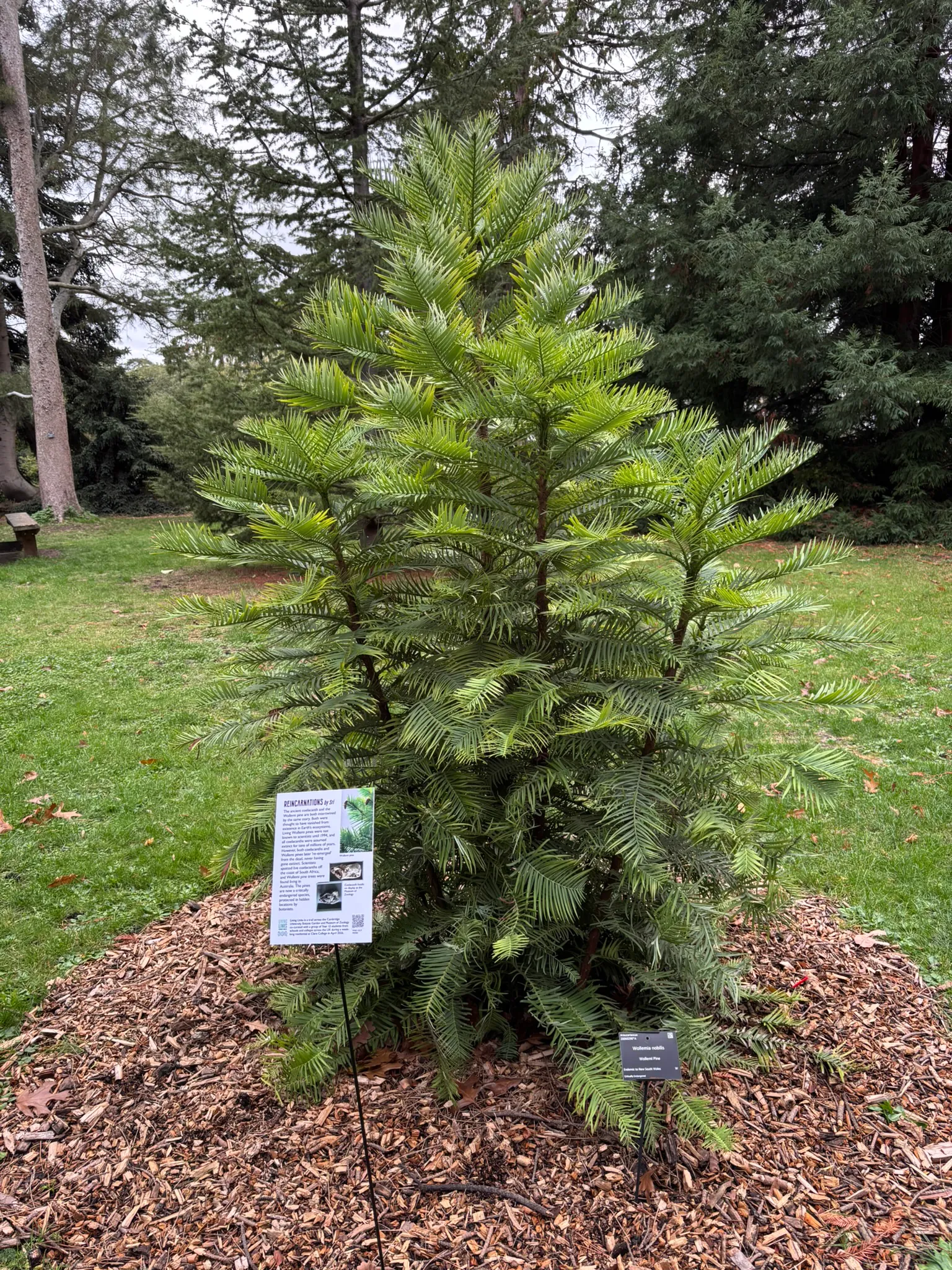
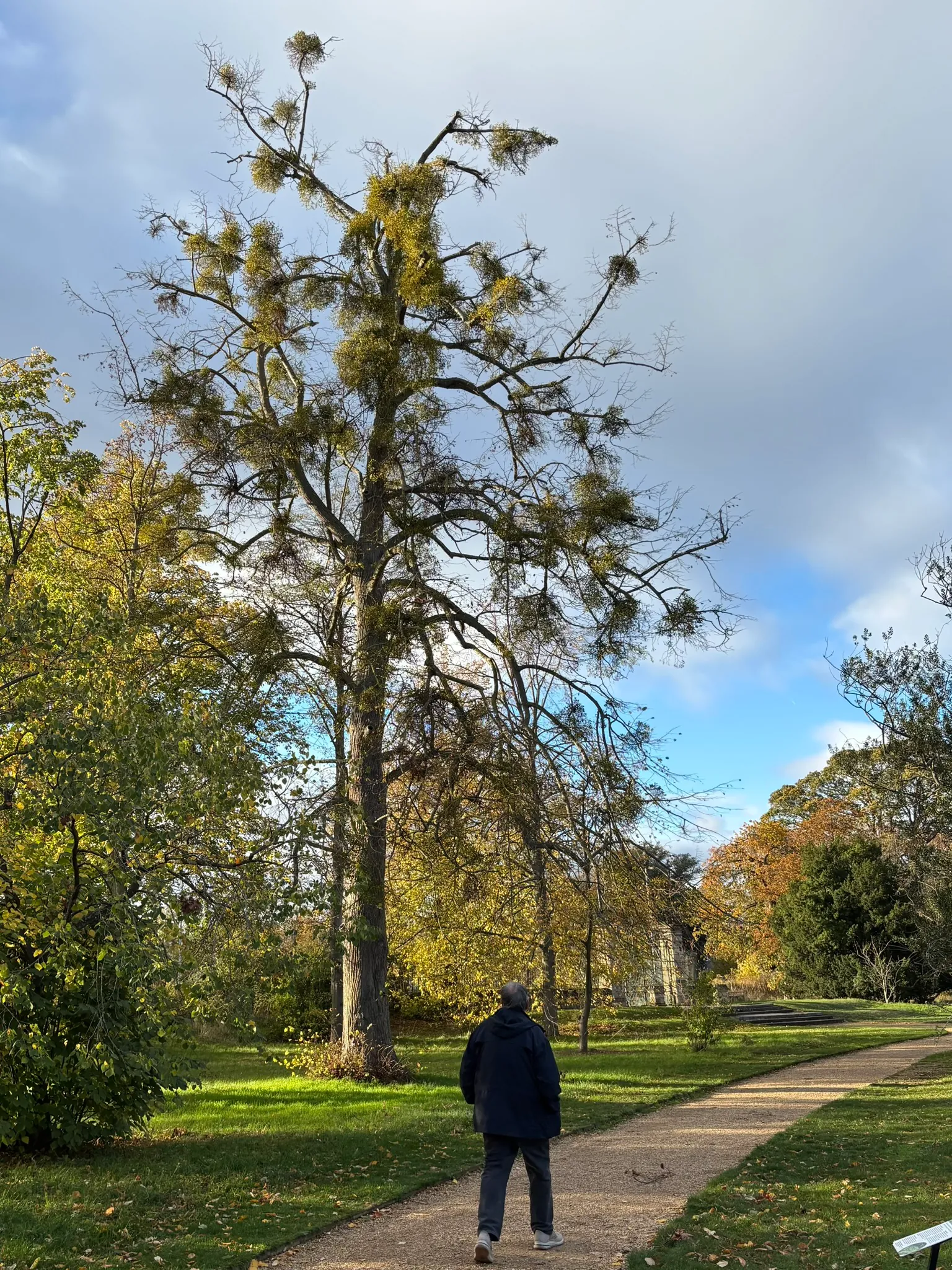
The Garden has expanded since Henslow's time and was opened to the public in 1876. Today, they offer beautiful, flat walking paths, hundreds of wonderful trees, many of them historic and with species of trees and plants from all over the world.
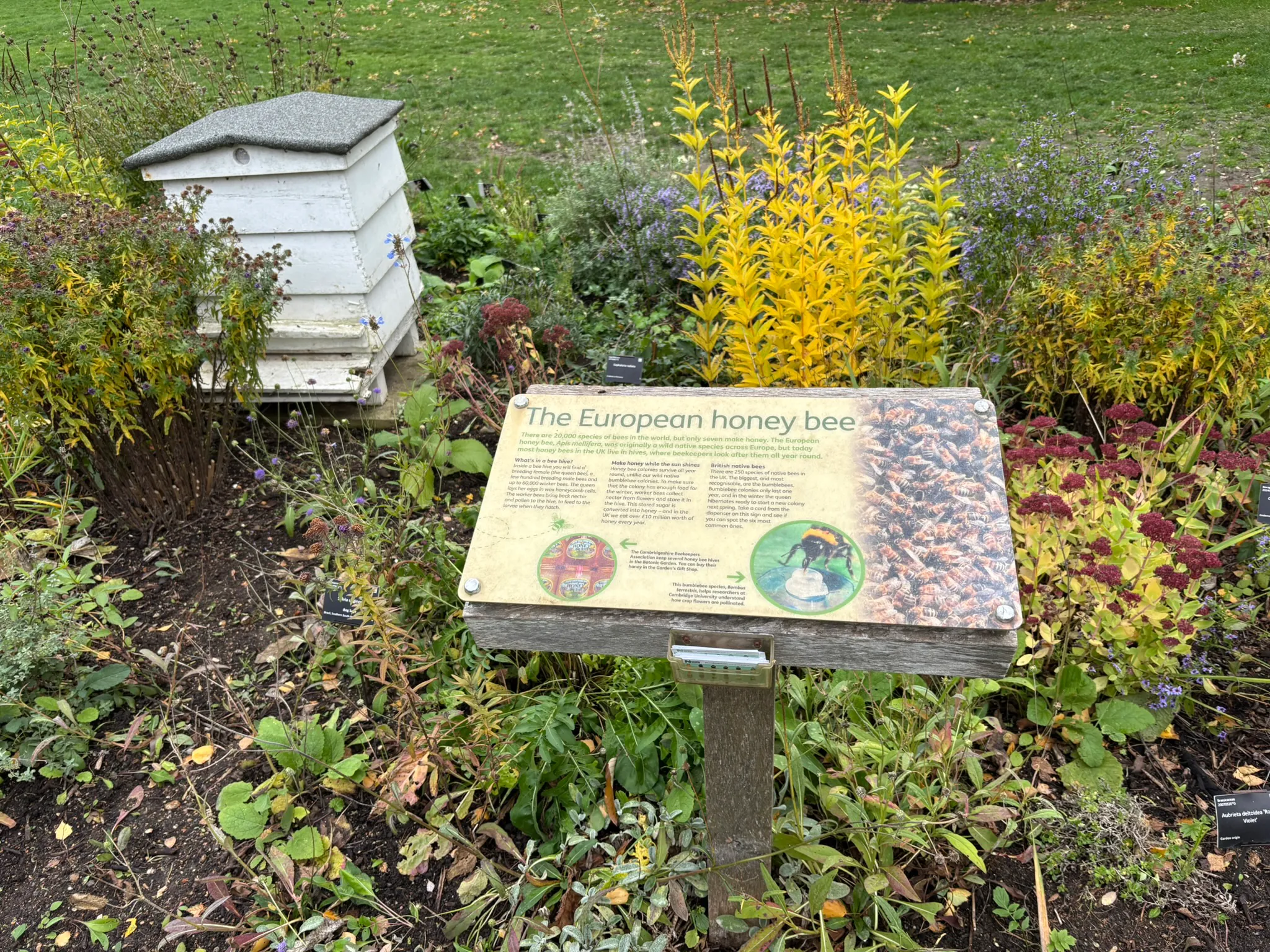
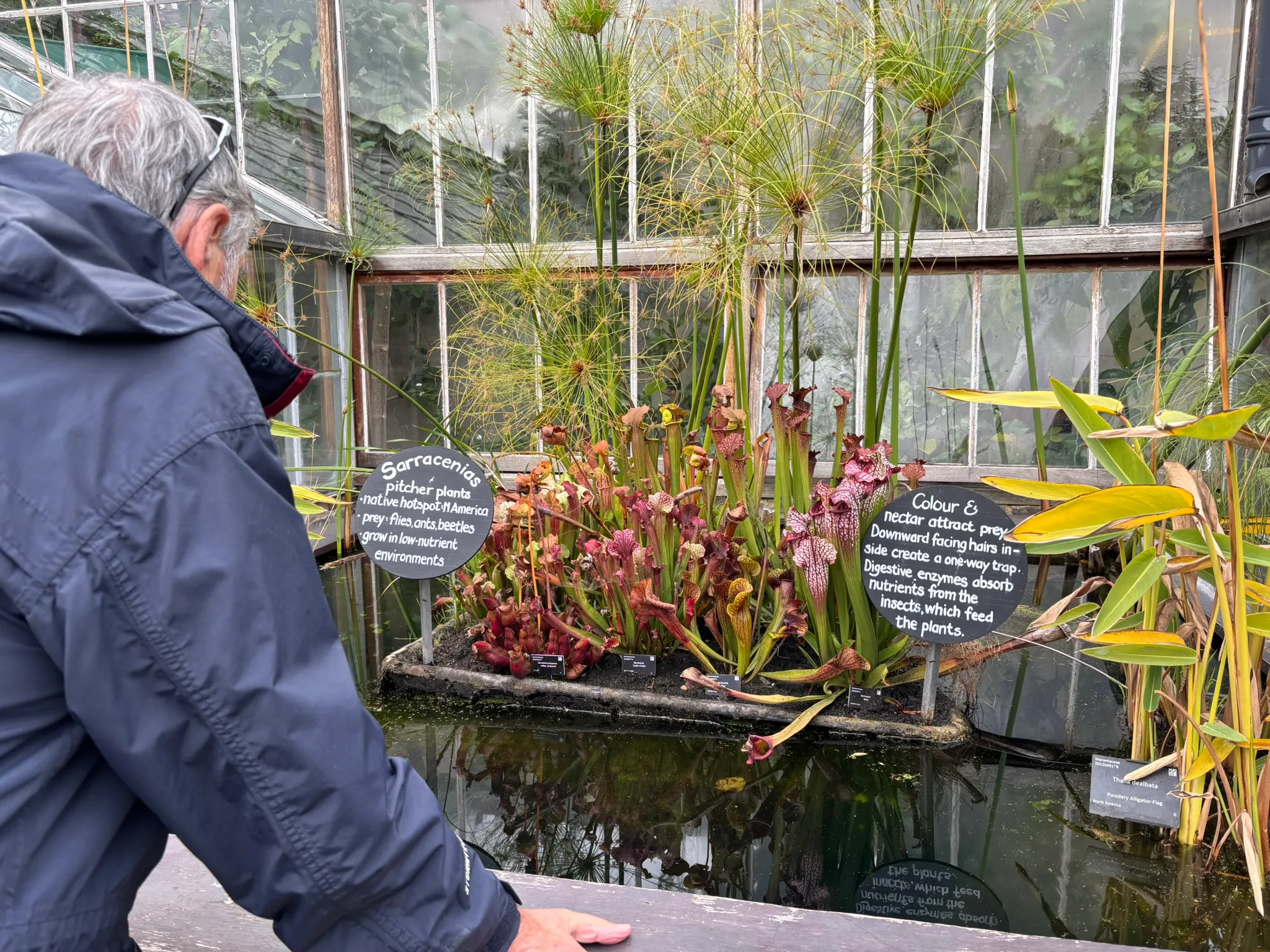
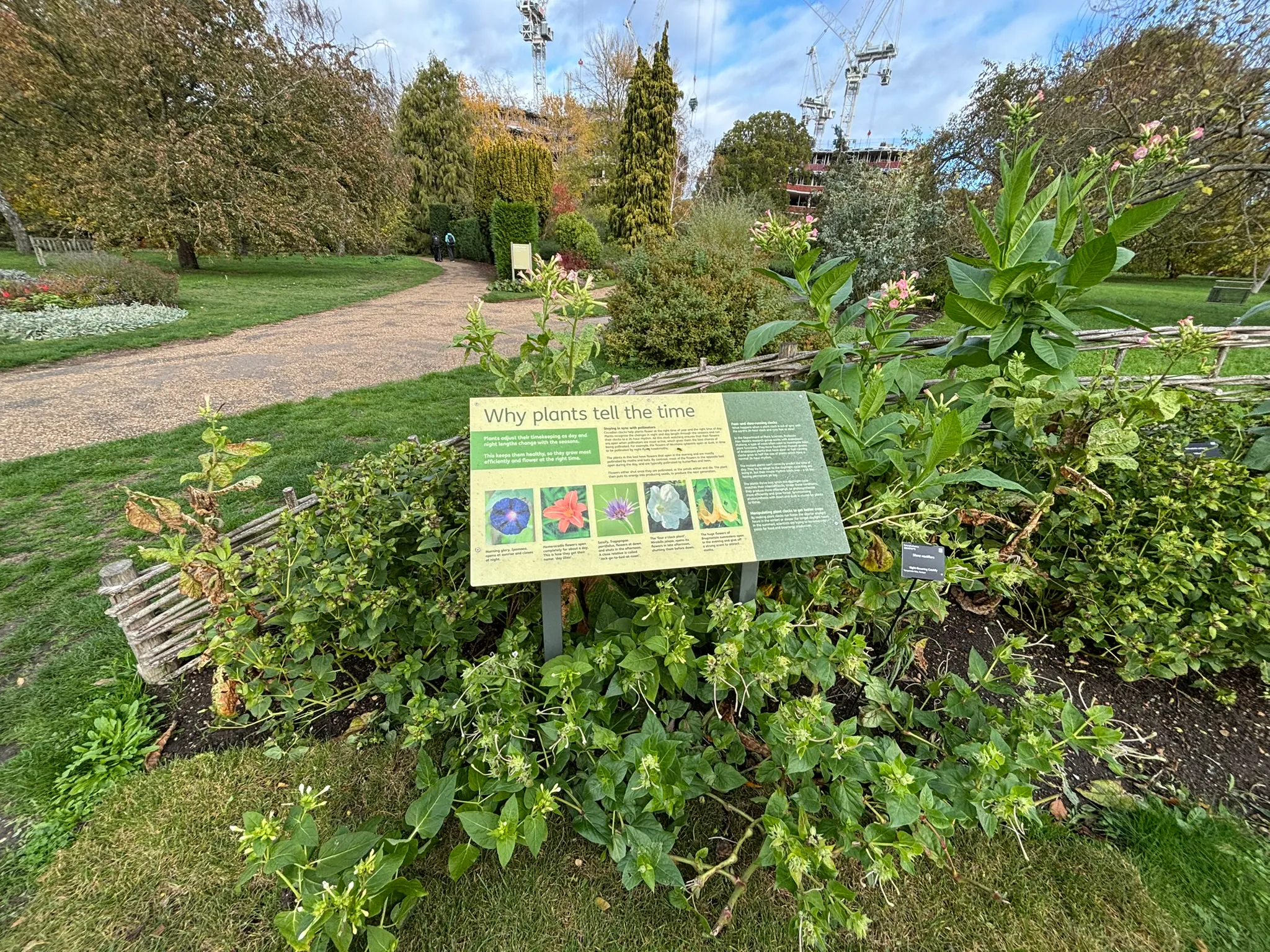
It is divided into different sections, each with something interesting to discover. There’s an area devoted to bees, including information about which plants attract them. One of my favourites is the chronological garden bed. This details how explorers, plant hunters, international traders and the expansion of the British Empire all played a part in bringing plants back to Britain from around the world. Many of the plants that we now take for granted arrived on our shores thanks to the efforts of these intrepid travellers and have thrived in our climate to become popular garden and park flowers, shrubs and trees.
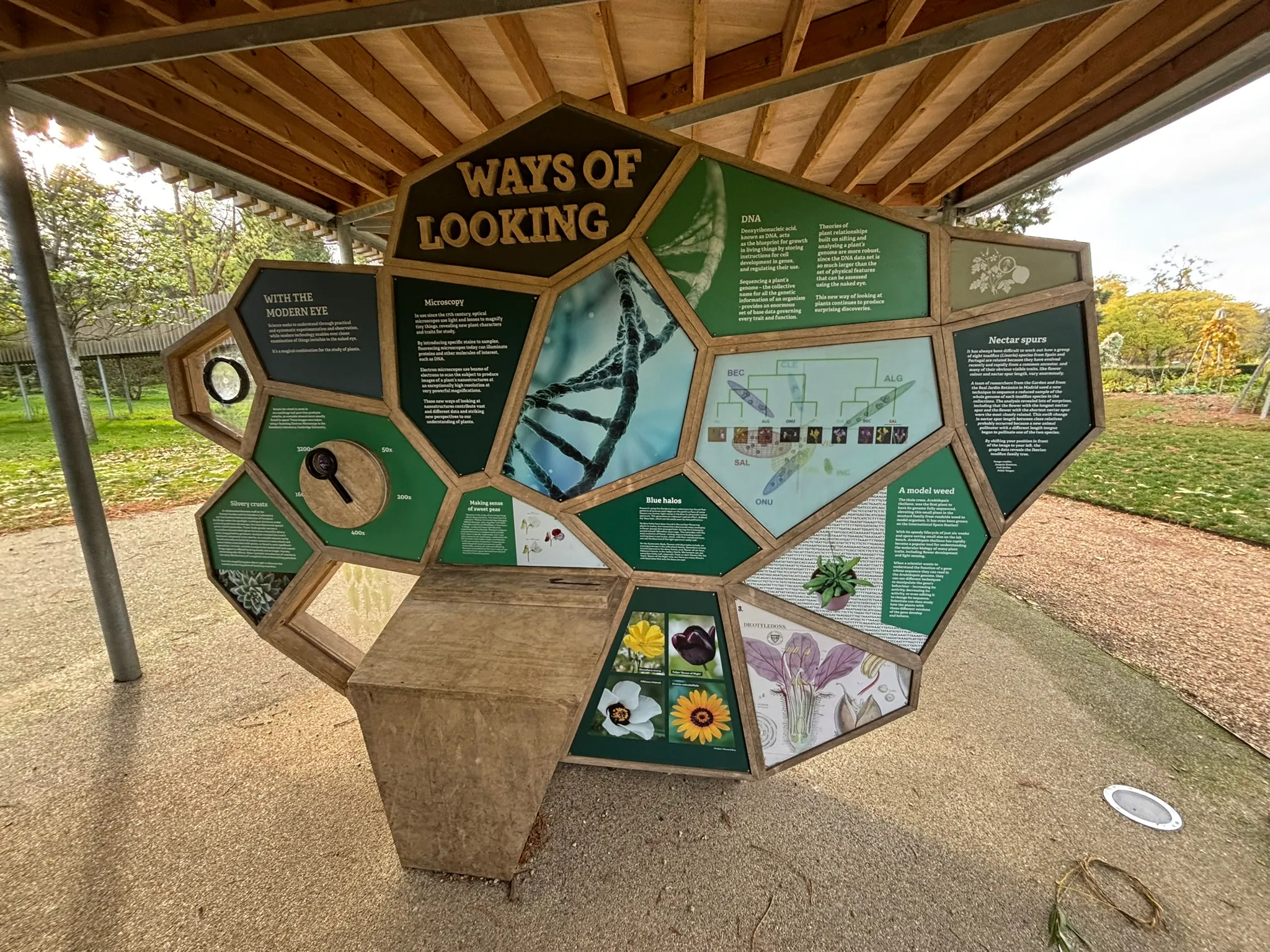
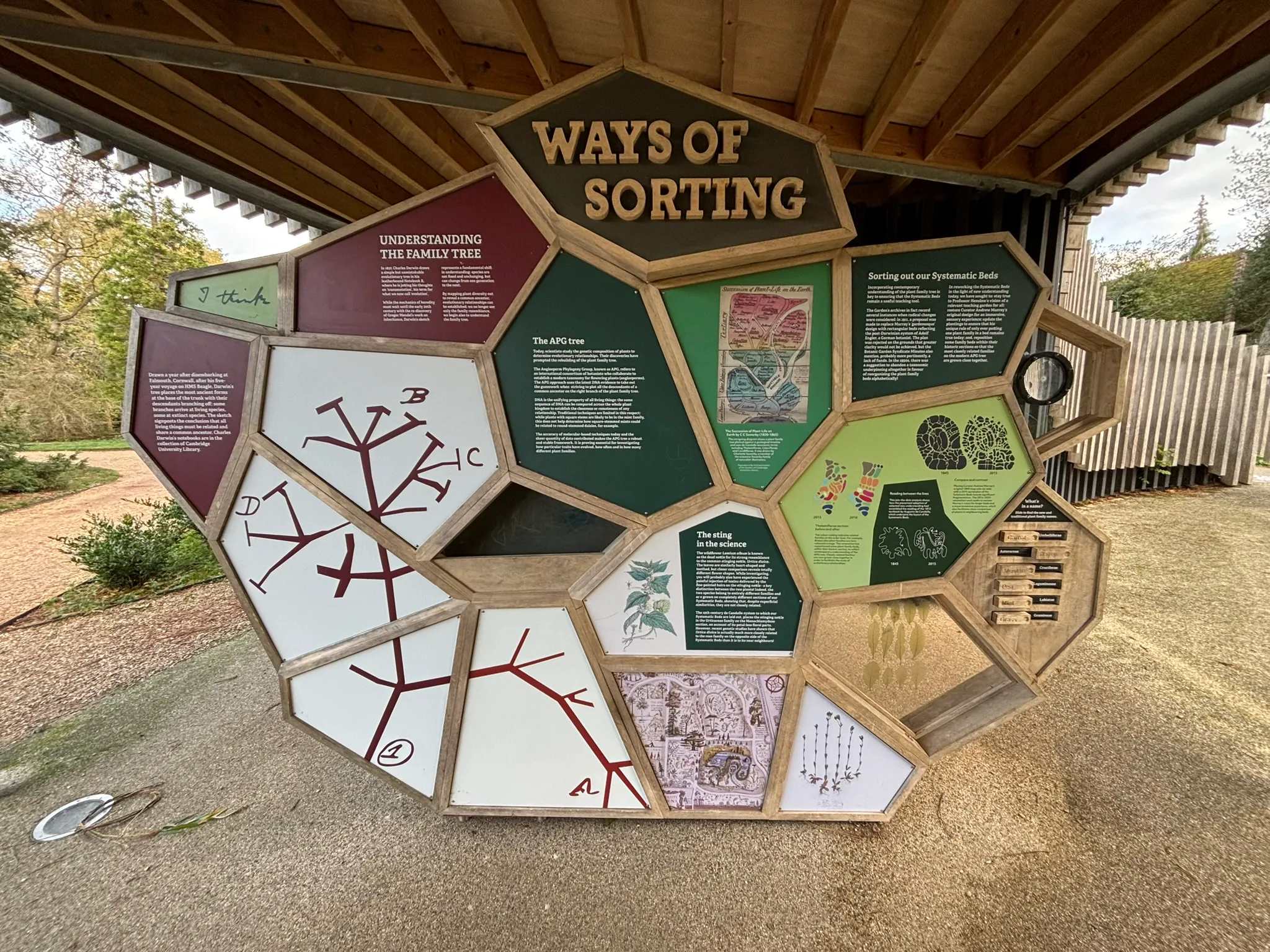
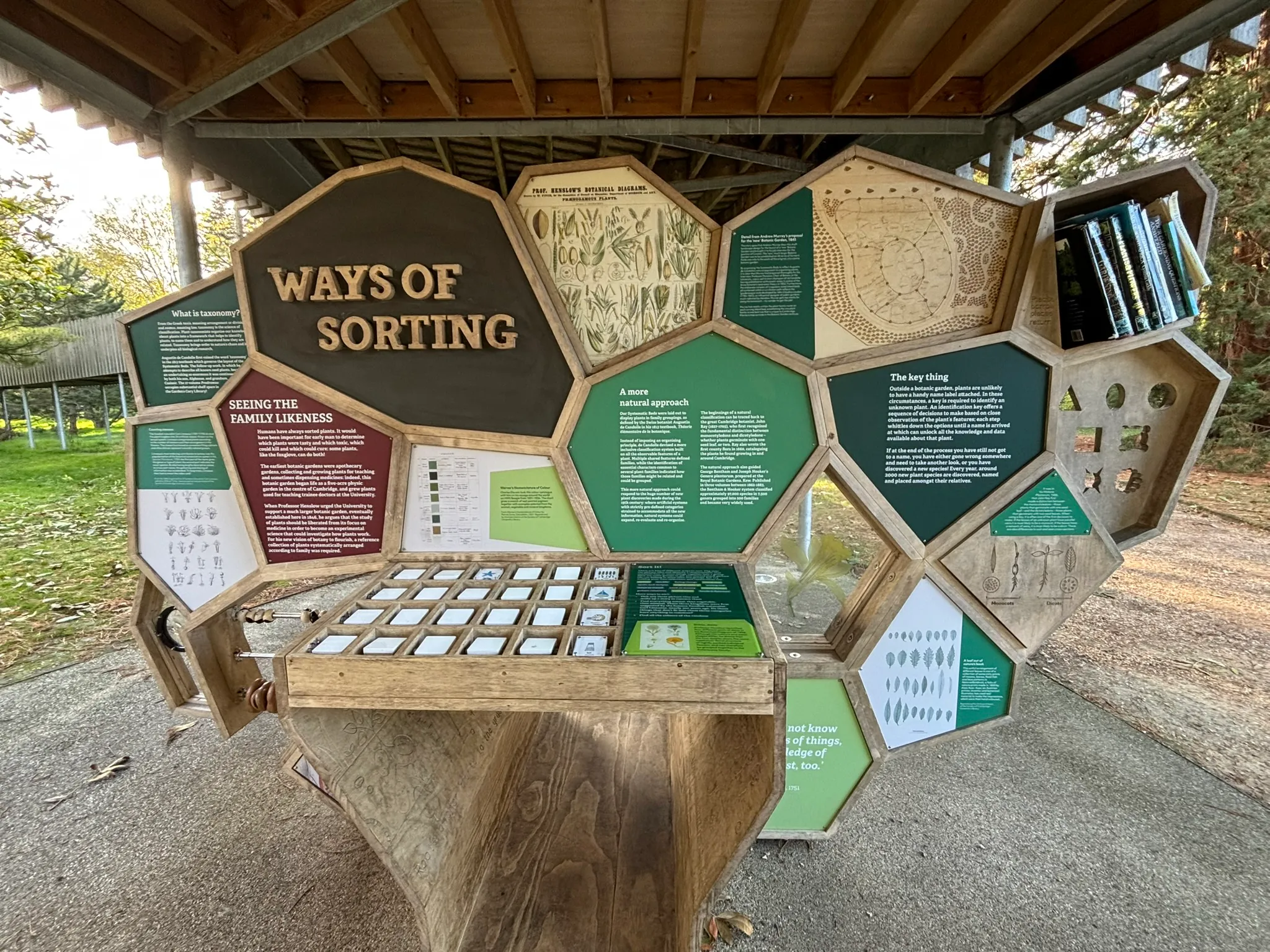
But my absolute favourite part of the gardens is the Systematic Beds, which are a living demonstration of plant classification. They were one of the first horticultural features installed when the Garden opened on its present site in 1846. They are currently being renovated to reflect more modern understanding thanks to DNA and technology, whilst respecting their heritage.
There are plenty of activities for children, making it great for families, including a tree trail as well as the Rising Path and interpretation hub.
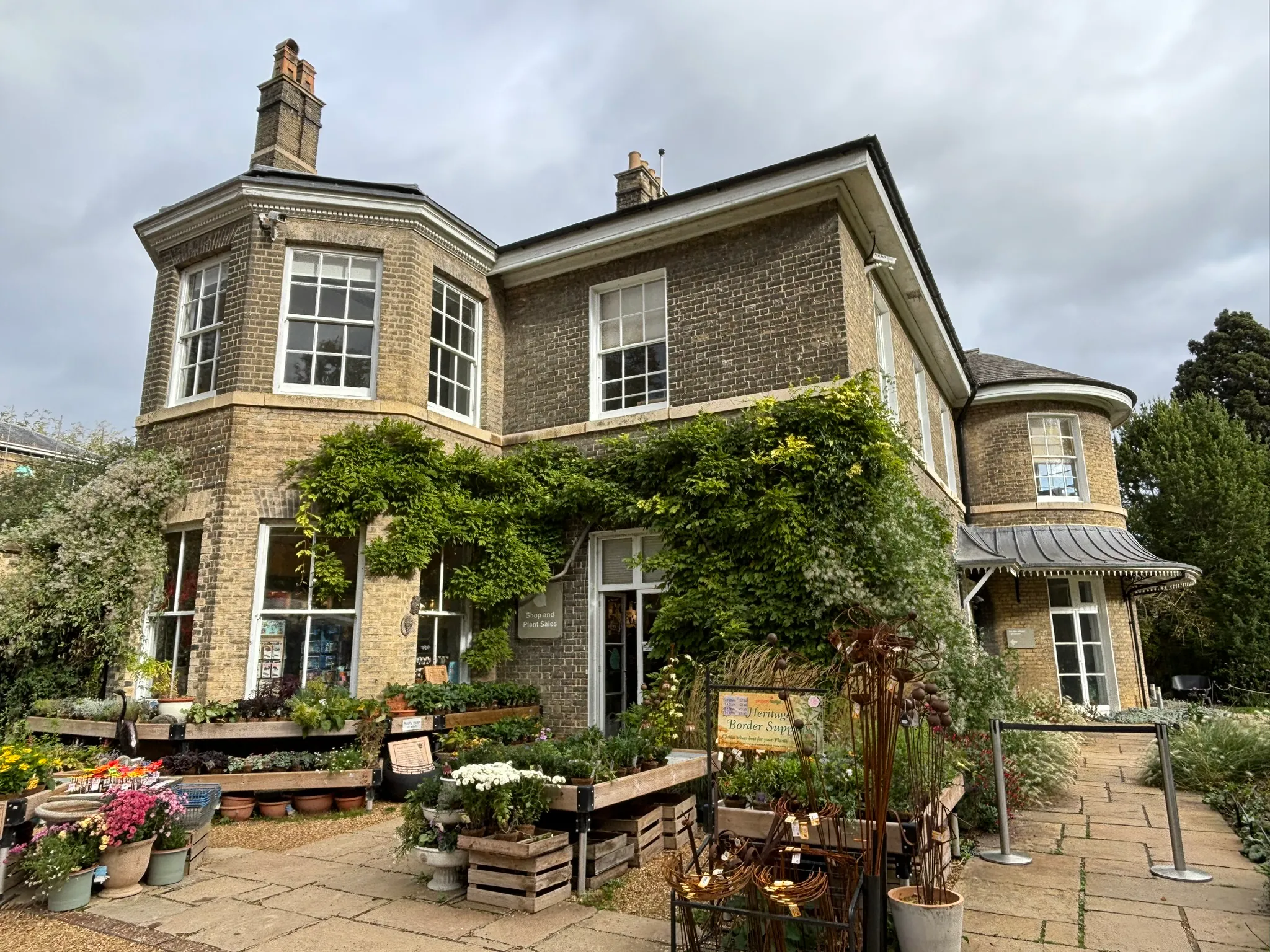
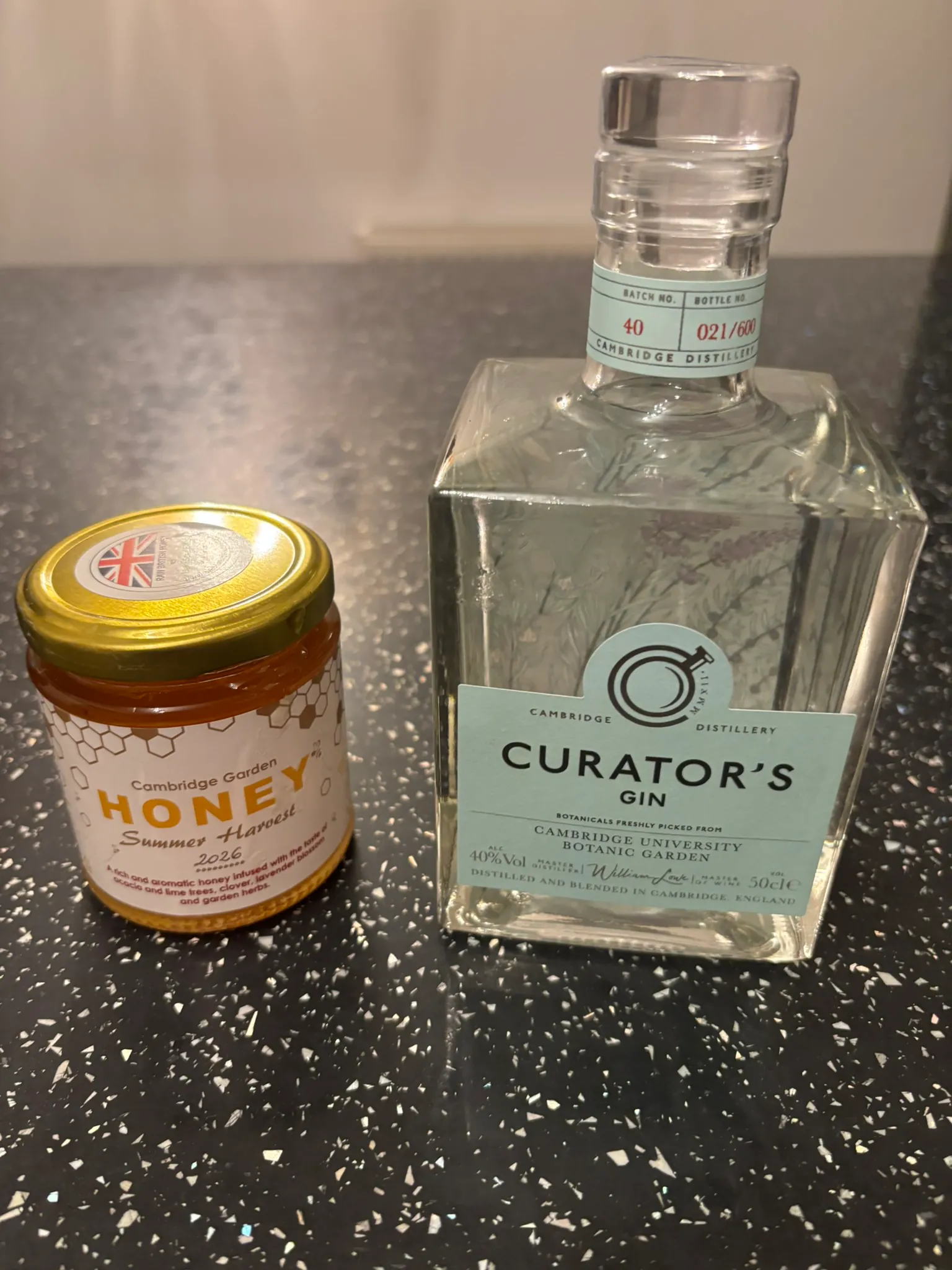
We always finish off our trips to these lovely gardens by buying a bottle of the Curator’s Gin in the lovely gift shop which has so many interesting items, both useful as well as great gifts.
The botanicals used in the gin are sourced from the Garden itself, although the gin is distilled off-site in Cambridge. Graham also bought some of the Garden’s honey. We haven’t tried that before, so we’re looking forward to finding out what it tastes like, hopefully, as good as the gin - cheers!
Good to know
There is a lovely cafe. Equally, there are plenty of benches, seats and grass for picnics. There are wide flat paths.
Getting around
Everything inside the Garden seemed accessible to us - plenty of toilets, flat wide paths, a ramp to the Rising Path. Off-road parking, however, may be tricky in terms of availability as well as price. The Park and Ride service from Trumpington is reasonable in terms of price and vicinity to the Garden but we're not sure how accessible it is.
Photos from our visit